
Diesel Generator Installation: Site Planning, Foundation and Setup Guide
A reliable genset depends as much on site preparation as on the machine itself. Plan the location, foundation, ventilation, fuel, exhaust and electrical connections before delivery. A poorly installed generator can overheat, fail to carry load, run too noisily, or lose warranty protection, even when the engine itself is sound.
SummaryThis guide walks through site selection, foundation and mounting, airflow and heat rejection, fuel storage, exhaust routing, connection to the switchgear, acoustic and fire rules, and the pre-commissioning checklist your contractor should complete before handover.
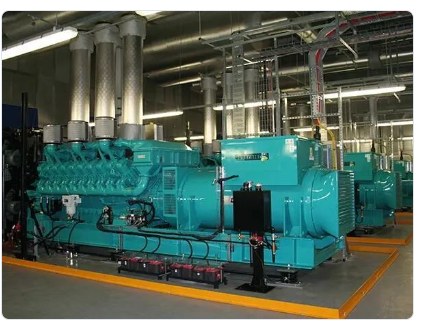
Why Installation Quality Affects Reliability
Even a high-specification diesel generator will underperform if it is placed in a cramped, hot or poorly drained location. Installation affects starting reliability, cooling, noise, exhaust discharge, maintenance access and compliance with local codes. Many warranty and reliability problems trace back to site conditions rather than the engine itself, so the installation scope should be treated as part of the equipment purchase, not an afterthought.
Problems found after energizing — repeated overheating, reduced load capacity, exhaust inside the building or unplanned shutdowns — are usually cheaper to prevent during planning than to correct after the set is installed. Reviewing the site layout and connection plan with the supplier before fabrication avoids rework once the equipment is on site.
Before Delivery: Site Preparation
Load Profile and Location
Confirm the connected load, motor-startup currents and whether the set will serve standby or prime duty before fixing the site. Leave working space on all sides for routine service, filter changes and lifting. Place the unit away from sources of ignition and corrosive fumes, and consider the prevailing wind direction when routing exhaust discharge away from air intakes and occupied areas.
Foundation and Mounting
The base must be level, rigid and capable of carrying the set's operating weight together with dynamic vibration. Concrete foundations are typical for larger units, and anti-vibration mounts isolate the engine from the building structure. A level mounting reduces vibration, bearing wear and stress on connected pipes and cabling.
Ventilation and Heat Rejection
Engines reject a large amount of heat through the radiator and exhaust. Plan dedicated air-inlet and air-outlet openings sized to the engine's cooling requirement, and avoid recirculation of hot air back to the inlet. Keep filters and radiators accessible for cleaning. In hot climates or enclosed rooms, verify available airflow against the manufacturer's high-temperature derating guidance.
Ambient Conditions and Enclosure Choice
The engine's available output changes with temperature, altitude and dust load, so the site brief should record average summer temperature, maximum humidity, altitude and expected dust or salt-air exposure. An open-frame set is easier to service but needs a dedicated room or shelter; a canopy or containerized unit brings built-in weather and noise protection but reduces the airflow margin you must design around. Coastal or desert sites may also call for corrosion-resistant finishing and tighter intake filtration.
Fuel, Exhaust and Electrical Connections
Fuel Tank and Storage
Match tank capacity to expected runtime and refueling frequency. Day tanks or sub-base tanks work well where space allows. Keep storage away from drains and ignition sources, and arrange fuel polishing or filtration when stored fuel will sit for long periods. Fuel lines should be sized for both supply and return flow, with appropriate shutoff valves.
Exhaust System
Route exhaust outside the building, away from air intakes, windows and neighboring properties. Use flexible exhaust connections at the engine to absorb vibration, provide adequate support for the piping, and install mufflers sized for the required noise level. Condensate drains and proper insulation protect personnel and nearby surfaces from heat.
Electrical Connection and Transfer Switch
The alternator output connects through a suitable generator breaker to the transfer switch or switchgear. Verify voltage, frequency and phase rotation, and confirm the grounding arrangement before the first run. Automatic transfer switch wiring, control signals and remote monitoring must match the controller configuration, and protection devices should be set to the alternator and cable ratings.
Acoustic, Fire and Safety Considerations
Local noise regulation may call for an enclosure, acoustic room or correctly sized silencer. Fire precautions include separation from combustibles, appropriate fire detection and extinguishing equipment, and ventilation that still meets code requirements. Provide safe access for refueling, and keep emergency egress and maintenance clearances unobstructed.
Pre-Commissioning Checklist
- Verify level mounting, torque on mounts and alignment where required.
- Check coolant, oil and fuel levels, and confirm the fuel is clean and conditioned.
- Confirm inlet and outlet airflow, and that hot air is not recirculated to the engine.
- Inspect exhaust supports, mufflers, flexible joints and heat shields.
- Confirm electrical polarity, grounding, transfer-switch operation and protection settings.
- Run a no-load test, then a load bank or stepped load test following the supplier's procedure.
- Record readings, alarms, oil pressures, temperatures and runtime before handover.
Working with a Generator Supplier
A responsible supplier confirms the site brief with you — load, ambient temperature, altitude, fuel type, enclosure type and control requirements — before building the set, and supplies installation drawings, wiring diagrams and commissioning guidance. Lucency coordinates engine, alternator, controller, enclosure and fuel-system selection, and can share installation reference data for your electrical contractor to work from.
Frequently Asked Questions
Send us your connected load, site conditions, ambient temperature and enclosure preference. We will recommend the right generator rating and share installation reference data for your contractor. Email [email protected] or chat on WhatsApp.